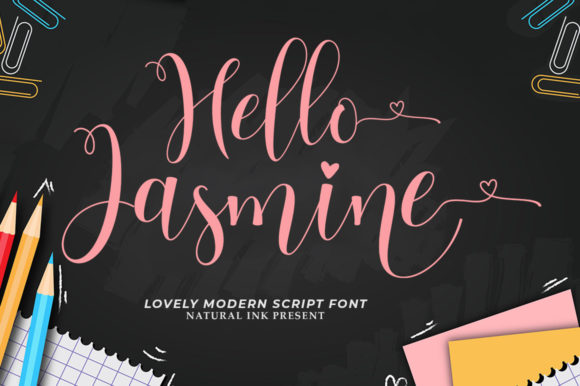
Hello Jasmine Typeface: Elevating Handmade Brand Identity
I was sitting at my desk late Tuesday night, surrounded by half-cut vinyl sheets and a stack of unsent birthday cards, when I realized my candle labels looked… flat. They were functional, sure, but they lacked that "stop-scrolling" charm that makes a customer click on an Etsy listing or pick up a product in a boutique. I needed something that felt personal, elegant, and effortlessly charming without looking like a generic clip-art font. That’s when I opened my design software and pulled up Hello Jasmine.
It wasn’t just about finding a new typeface; it was about finding a voice for my brand. Hello Jasmine, from the Script Amp collection, is more than just letters on a page. It is a visual personality—fluid, graceful, and distinctly modern yet timeless. As a maker who spends hours designing everything from wedding invitations to printable wall art, I know that typography sets the emotional tone before a customer even reads the price. Here is how Hello Jasmine transformed my workflow and elevated my handmade products from simple crafts to curated experiences.
The Visual Charm of Hello Jasmine
When you first look at Hello Jasmine, you notice the balance. It sits comfortably between a formal script and a casual handwritten style. It has the elegance of calligraphy but the approachability of a friendly note. This duality is exactly what makes it so versatile for small business owners. It doesn’t scream for attention; it invites the viewer in.
The font features beautiful ligatures and swashes that connect letters seamlessly, creating a continuous flow that mimics real handwriting. However, unlike some overly ornate scripts, it maintains a clean structure. This readability is crucial when you are designing product labels for small jars of lotion or tags for tote bags. If the text is too tangled, customers can’t read the ingredients or care instructions. Hello Jasmine strikes that perfect equilibrium: decorative enough to feel premium, clear enough to be functional.
From Digital Mockups to Physical Products
One of the biggest challenges in the handmade world is translating digital designs into physical reality. A font might look stunning on a high-resolution screen but become illegible when printed on a curved mug or cut out as a tiny sticker. I tested Hello Jasmine across various mediums, and here is what I found works best.
Product Labels and Stickers
I used Hello Jasmine primarily for my new line of soy candles. Instead of using a rigid sans-serif for the scent names, I switched to Hello Jasmine for the main title—"Vanilla Bean"—and paired it with a simple sans-serif for the details. The result was immediate. The label felt luxurious. When I designed sticker sheets for planners, the flowing nature of the script made the stickers pop against solid backgrounds. For smaller items, like jewelry boxes, I kept the text short. Hello Jasmine shines brightest in display use. It is not designed for long paragraphs of body text, but for short phrases, names, and titles, it is unmatched.
Wedding Stationery and Invitations
As a creator of wedding invitations, I am always asked for fonts that feel romantic but not cliché. Hello Jasmine offers a modern twist on traditional romance. I used it for couple names on save-the-dates and thank-you cards. The swashes added a touch of flourish that felt intentional and artistic. When designing digital downloads for brides-to-be, offering a template with Hello Jasmine gives them a sophisticated starting point. It elevates the perceived value of the invitation suite instantly.
Seasonal Decor and Signs
During the holiday season, I create wooden signs and metal wall art. Hello Jasmine works wonderfully for farmhouse-style decor because it bridges the gap between rustic and refined. I used it for "Welcome" boards and seasonal greeting cards. The font’s natural curves complement the organic shapes often found in autumn and winter designs. Whether I was cutting SVG files for my Cricut or printing large-format posters, the lines remained crisp and distinct.
Enhancing Brand Consistency and Customer Perception
In the world of online selling, your brand identity is your storefront. Consistent typography builds trust. When every product tag, social media graphic, and listing image uses the same cohesive font family, customers recognize your work immediately. Hello Jasmine helps establish a brand identity that feels handcrafted and thoughtful.
Using a premium font like Hello Jasmine signals quality. Customers associate well-designed typography with high-quality materials. Even if you are selling digital printables, the cover mockup needs to look professional. A sloppy font choice can make a $5 digital download look like a freebie, while a polished design using Hello Jasmine justifies a higher price point. It adds a layer of editorial design polish to your shop branding.
Practical Design Tips for Makers
To get the most out of Hello Jasmine, consider these practical tips based on my production experience:
- Font Pairing: Don’t let Hello Jasmine do all the heavy lifting. Pair it with a clean sans serif font for secondary information like dates, addresses, or ingredient lists. This contrast creates visual hierarchy and improves readability. A bold display font can also work well for headers if you need more weight.
- Readability Checks: Always zoom out. What looks great at 50% size on your monitor might be unreadable on a 1-inch sticker. Test your designs in actual size before sending them to print. For cutting machines, ensure that the kerning (space between letters) is tight enough so the letters don’t fall apart during weeding.
- Use Alternates and Ligatures: Explore the different styles included in the file. Some characters have alternate forms that can change the look of a word entirely. Using these alternates can add unique character to your logos and monograms.
- Multilingual Support: If you sell internationally, check the font’s character set. Hello Jasmine supports multiple languages, which is essential if you are shipping globally or designing multilingual packaging.
Commercial Licensing and File Formats
Before incorporating Hello Jasmine into any commercial products, it is vital to review the licensing agreement. Most premium fonts come with specific guidelines for physical goods versus digital downloads. Ensure you have the appropriate commercial license to sell products that feature the font. This protects both you and the type designer.
Additionally, verify the file formats available. Having OTF, TTF, and sometimes web font versions ensures compatibility across different design software, whether you are using Adobe Illustrator, Photoshop, Canva, or Silhouette Studio. Having access to all weights and styles allows you to maintain consistency even if you need to adjust the scale of your text for different product sizes.
Final Creative Thoughts
Designing with Hello Jasmine has reminded me why I love this craft. It is the small details—the curve of a 'J', the flow of a sentence—that turn a simple object into a keepsake. Whether you are designing boutique tags, planner pages, or digital templates, choosing the right typeface is an act of care for your customer. Hello Jasmine brings a sense of charm and elegance that resonates with people looking for something special. It is a tool that empowers makers to present their work with confidence and style, proving that good design truly does make a difference in how our creations are received.